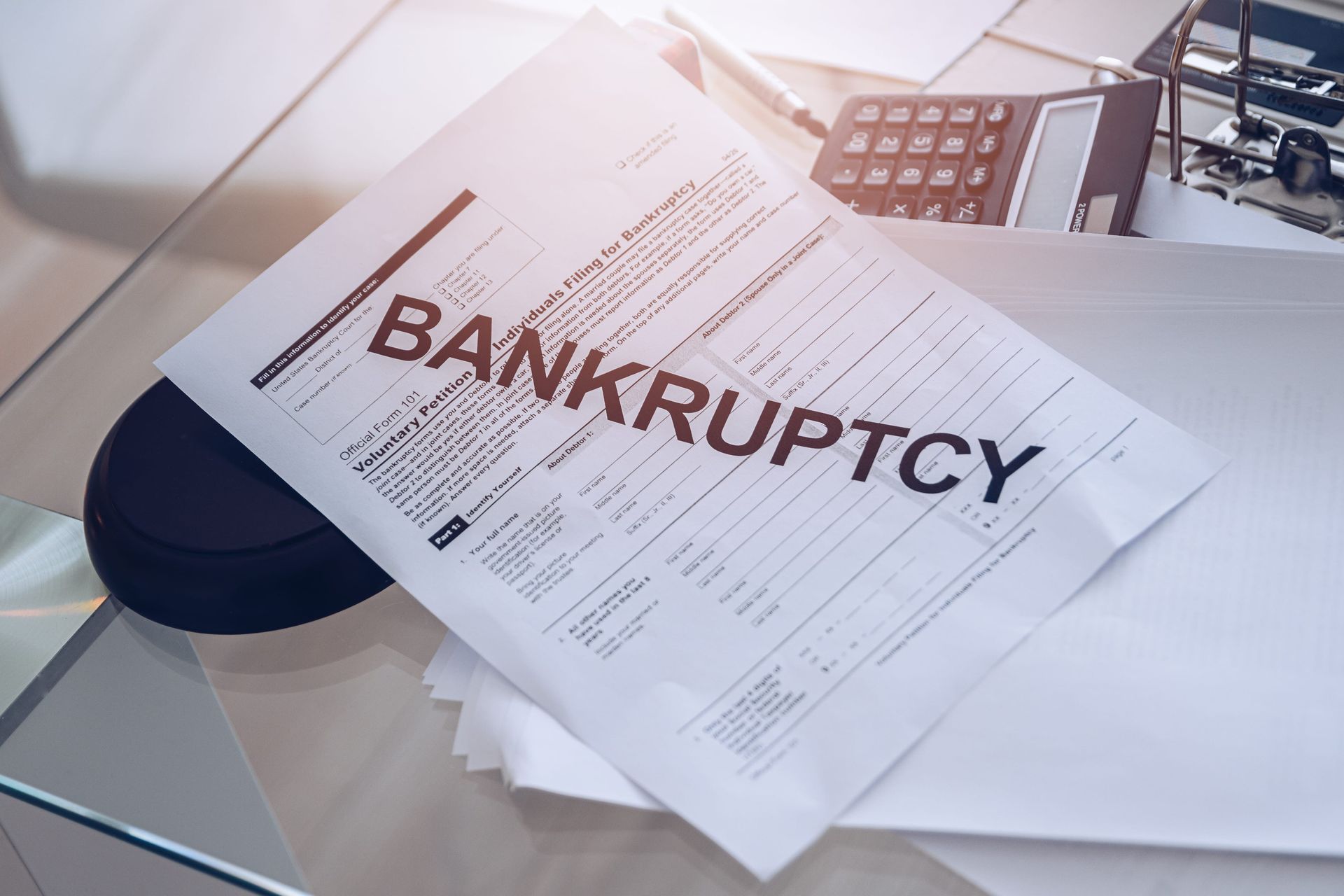



What Should You Avoid Doing Before Filing for Bankruptcy in Illinois?
What Should You Avoid Doing Before Filing for Bankruptcy in Illinois?
If you're considering bankruptcy in Illinois, you may already be dealing with credit card balances, medical bills, collection calls, lawsuits, or other financial pressure.
It can be tempting to make quick financial moves before filing—paying back a relative, transferring property, using retirement savings to cover bills, or relying on credit cards to get through another month.
But what you do before filing for bankruptcy can matter.
Bankruptcy requires you to provide detailed information about your finances, including your property, debts, income, expenses, and certain transactions that occurred before filing. Some last-minute financial decisions can create complications that might have been avoided with proper planning.
If bankruptcy may be in your future, here are some common mistakes to avoid.
1. Don't Hide Assets
One of the most important rules in bankruptcy is simple: be honest about what you own.
Individual bankruptcy filers are required to complete schedules identifying their property and financial interests. That can include much more than money sitting in a bank account.
Depending on your circumstances, property may include:
- Real estate
- Vehicles
- Bank accounts
- Investments
- Business interests
- Valuable personal property
- Money someone owes you
- Certain legal claims
- Other financial interests
Don't leave something off your bankruptcy paperwork because you assume it isn't important or because you're worried you might lose it.
Bankruptcy exemptions may protect certain property, but those protections work through proper disclosure—not by concealing the asset.
2. Don't Transfer Property to Friends or Family
Giving property away shortly before bankruptcy doesn't necessarily put it beyond the reach of the bankruptcy process.
For example, someone worried about losing a vehicle might think transferring the title to a sibling will protect it. Another person might move money into a relative's account or give valuable property to an adult child before filing.
Those transactions can create additional problems.
The official Statement of Financial Affairs used by individual bankruptcy filers asks about certain gifts and property transfers made before the case was filed.
Instead of moving property around before bankruptcy, discuss what you own and what may be protected before making a transfer.
3. Don't Sell Valuable Property for Less Than It's Worth
Selling property before bankruptcy is not automatically prohibited.
However, selling a valuable asset to a friend or relative for far less than its fair value can raise serious questions.
For example, selling a vehicle worth thousands of dollars to a family member for a token amount shortly before filing may be treated very differently from an ordinary sale for fair market value.
If you're thinking about selling, gifting, or transferring significant property while considering bankruptcy, get legal guidance first.
4. Be Careful About Repaying Friends and Relatives
Maybe your parents loaned you money when you were struggling. Perhaps you borrowed from a sibling or close friend and want to repay them before filing bankruptcy.
That may feel like the right thing to do personally, but bankruptcy law doesn't necessarily allow you to favor one creditor simply because you have a personal relationship with them.
Certain payments made before bankruptcy must be disclosed, and some payments may potentially be recovered through the bankruptcy process.
Before making a large repayment to a family member or another creditor, find out how that payment could affect your case.
5. Don't Run Up Your Credit Cards Because You Plan to File
Bankruptcy should not be treated as permission to take on debt you don't intend to repay.
If you're considering filing, avoid suddenly charging unnecessary purchases to credit cards, taking large cash advances, or going on a spending spree because you assume the balances will simply disappear in bankruptcy.
Whether a particular debt can be discharged depends on the circumstances, and debts involving fraud or certain false representations may not receive the same treatment as ordinary consumer debt.
Continue making reasonable financial decisions while exploring your bankruptcy options.
6. Avoid Taking on New Debt Without Considering the Consequences
New debt isn't limited to credit cards.
Before filing bankruptcy, think carefully before:
- Taking out a personal loan
- Financing a major purchase
- Borrowing against property
- Taking a large cash advance
- Opening new credit accounts
- Co-signing for someone else's debt
Bankruptcy is designed to address financial problems, not create an opportunity to intentionally accumulate additional debt immediately before filing.
If you're already considering bankruptcy, adding new obligations can make an already complicated financial situation harder to evaluate.
7. Don't Drain Your Retirement Account Without Getting Advice
When bills are piling up, retirement savings can look like an obvious source of money.
But withdrawing retirement funds to pay unsecured creditors before exploring bankruptcy may be a costly decision.
Certain retirement assets can receive significant protection under bankruptcy and other applicable laws. Once money is withdrawn and spent paying creditors, however, you generally cannot simply undo that decision.
A bankruptcy attorney can help you evaluate your overall financial situation before you sacrifice savings intended for retirement.
8. Don't Assume You Need to Get Rid of Property Before Filing
Many people believe filing bankruptcy automatically means losing everything they own.
That isn't necessarily true.
Bankruptcy law provides exemptions that can protect certain property. Illinois law also provides exemptions covering various categories of personal property.
The amount and type of protection available depend on the property and your circumstances.
Trying to sell, transfer, or give away property because you assume bankruptcy will take it may create a problem where one did not previously exist.
Find out what may actually be protected before making decisions about your assets.
9. Don't Convert Property Just to Try to Protect It
Bankruptcy planning and attempting to improperly shield assets are not the same thing.
Illinois exemption law specifically addresses property acquired with the intent to convert nonexempt property into exempt property or to defraud creditors. Illinois law also creates a presumption concerning certain exempt property acquired within six months before filing bankruptcy.
That makes last-minute asset moves particularly important to discuss with an attorney.
Don't restructure your finances based on something you read online or heard worked for someone else. The facts of your case matter.
10. Don't Ignore Lawsuits, Garnishments, or Foreclosure Notices
Considering bankruptcy does not mean you should stop responding to legal deadlines.
If a creditor has sued you, obtained a judgment, started garnishment proceedings, or begun foreclosure activity, timing may become extremely important.
Filing a bankruptcy petition generally triggers an automatic stay that stops many collection actions, but simply planning to file does not provide that protection.
Don't assume creditors have to wait because you're talking to a bankruptcy attorney or preparing paperwork.
If you're facing an urgent collection action, make sure your attorney knows about it as early as possible.
11. Don't Stop Keeping Financial Records
Bankruptcy requires detailed financial information.
Individual filers generally must provide schedules addressing assets and liabilities, income and expenses, creditors, contracts and leases, and other financial matters. A Statement of Financial Affairs is also part of the filing process.
Depending on the case, you may need records such as:
- Pay stubs
- Tax returns
- Bank statements
- Mortgage information
- Vehicle loan statements
- Retirement account statements
- Creditor notices
- Lawsuit documents
- Records involving property sales or transfers
Keeping organized records can make it easier to accurately evaluate and prepare your case.
12. Don't Leave Creditors or Debts Off Your Paperwork
Bankruptcy paperwork requires disclosure of creditors and debts.
Don't intentionally leave out a debt because you want to continue paying one particular creditor, because the debt involves a family member, or because you're embarrassed about how it arose.
Your attorney needs a complete picture of your financial situation to properly evaluate your options.
That includes debts you may dispute or aren't sure you actually owe.
13. Don't Make Major Financial Decisions Based on Bankruptcy Myths
Bankruptcy rules are complicated, and advice from friends, relatives, social media, or online forums may not apply to your situation.
Statements such as:
- “Just put the car in someone else's name.”
- “Pay your family back before you file.”
- “You should empty your bank account first.”
- “Bankruptcy means you'll lose everything.”
- “Use your available credit before you file.”
can lead to poor financial decisions.
What happened in someone else's bankruptcy case does not determine what will happen in yours.
14. Don't Wait Until the Last Possible Moment to Get Advice
Sometimes people wait until a foreclosure sale, wage garnishment, repossession, or court deadline is only days away before discussing bankruptcy.
While bankruptcy may provide powerful protections in appropriate circumstances, waiting can reduce the amount of time available to review your finances and consider alternatives.
Speaking with an attorney doesn't mean you are required to file bankruptcy.
It can simply help you understand whether Chapter 7, Chapter 13, another debt-relief strategy, or waiting to file makes the most sense for your situation.
Why Does What You Do Before Bankruptcy Matter?
Bankruptcy looks backward as well as forward.
Your case isn't evaluated solely based on what you own and owe on the day you file. Bankruptcy forms ask about portions of your financial history, including certain payments, gifts, property transfers, income, lawsuits, and other transactions.
That is why pre-bankruptcy planning should focus on understanding your financial situation—not trying to make assets or transactions disappear.
A decision that seems helpful today could make your bankruptcy more complicated tomorrow.
Should You Stop Paying All of Your Bills Before Filing?
Not necessarily.
There is no single payment strategy that is right for everyone considering bankruptcy.
Your mortgage, rent, car loan, utilities, insurance, taxes, child support, and unsecured credit card debt can all raise different considerations.
Whether you should continue paying a particular obligation depends on factors such as the type of debt, whether property secures it, whether you intend to keep that property, and which bankruptcy chapter you may file.
Instead of simply stopping all payments, discuss your specific debts with a bankruptcy attorney.
What Should You Do Before Filing for Bankruptcy?
While there are several things you should avoid, there are also productive steps you can take.
Start gathering your financial records and make a complete list of your assets, debts, income, expenses, and creditors.
Be prepared to discuss any significant financial transactions you've made recently, including property transfers or repayments to family members.
Most importantly, don't try to rearrange your financial life immediately before filing without understanding how those decisions could affect your case.
Considering Bankruptcy in Illinois?
If debt has become difficult to manage, you don't have to make major financial decisions based on guesswork.
VW Law helps individuals and families in Naperville, Chicago, and surrounding Illinois communities understand their bankruptcy options, including Chapter 7 and Chapter 13.
Before transferring property, withdrawing retirement savings, repaying family members, or making other significant financial moves, consider getting legal guidance about how those decisions may affect a potential bankruptcy case.
Contact VW Law to discuss your financial situation and the steps you should consider before filing for bankruptcy in Illinois.